
Supervision for Internal Coaches
Clinically informed supervision for the people who coach inside your organisation.
Internal coaching works because coaches know the organisation. That is also what makes it hard. Your coaches coach colleagues they will sit in meetings with, hold confidences the system would like to hear, and meet distress that coaching was never designed to carry, usually alongside a full-time day job. And because they share the culture they coach in, its blind spots are hard to see.
Supervision gives them a disciplined space to think about that work: to stay ethical, see what is happening beneath the surface, and know when a conversation needs to go somewhere other than coaching. It protects the coachee, the coach and the organisation.

When to call
You are launching or scaling an internal coaching pool and want supervision built in from the start
Coaches are meeting anxiety, drinking, bullying or a coachee in denial, and aren’t sure where the boundary sits
Confidentiality is under strain: sponsors or HR want to know more than coaches can share
A single engagement has become complex or risky and needs an experienced view quickly
What we bring
The clinical eye
Our supervision is grounded in psychotherapeutic training. We help coaches recognise anxiety, depression, addiction and trauma when they surface, work safely within the coaching frame, and refer well when a coachee needs more.
The organisational eye
Senior careers in banking and business mean we know the pressures your coaches and coachees work under, and the politics of coaching inside a firm.
This is still about coaching
We don't turn coaches into therapists. The aim is better, safer coaching.
Any approach
We supervise coaches from every tradition and won't ask anyone to change how they work, only to look at it from another angle.
Structured, confidential, built around your programme
1
Scoping
We learn about your pool: its size, training, purpose and how coaching sits alongside HR, EAP and occupational health.
2
Contract
A written three-way agreement covering format, frequency, confidentiality and what, if anything, comes back to the organisation.
3
Regular supervision
Group and individual sessions on an agreed rhythm, with fast-access consultation when a case escalates.
4
Review
Periodic review with the programme lead, including anonymised themes the organisation can act on.
Who supervises
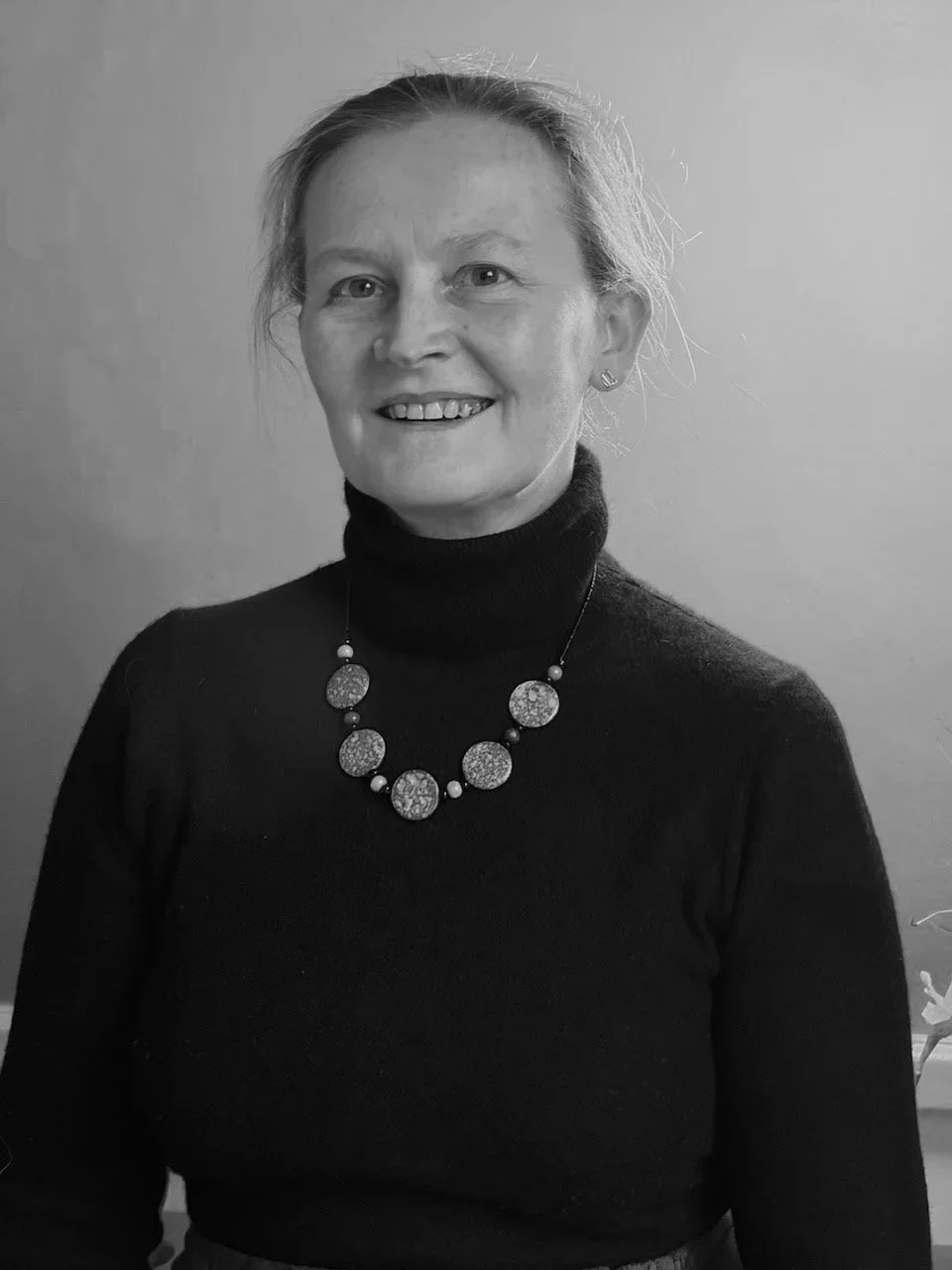
Supervision is led by our founding partners, Daniel Gilsenan and Carolyn Lee. Both are psychotherapists and EMCC-accredited executive coaches, and both hold a certificate in clinical supervision.
Daniel spent twenty years in investment banking and senior corporate leadership before training at the Tavistock and LSE. He leads clinical supervision at a specialist charity. Carolyn was the first global head of diversity and inclusion at a major international law firm before training as a psychotherapist at Keele.

Straight answers
-
Coaching supervision develops coaching practice. We add a clinical lens: recognising mental health difficulties and risk, seeing the organisational dynamics in play, and knowing when coaching should stop. Some organisations use us alongside an existing coaching supervisor; others use us on our own.
-
That is agreed in writing at the start. Usually attendance and anonymised themes across the pool, never details of individual coaches or coachees. The exception is serious risk to someone's safety, which we raise with the coach first.
-
Coaches can reach us between sessions for urgent consultation. We help them assess the situation, act within the coaching contract and refer through your EAP, occupational health or external services. We don't take on your coachees ourselves, so supervision stays independent.
-
No. A coach's own reactions are often the best evidence of what is happening in the work, so we use them, but the focus stays on the coaching.
-
Fees depend on pool size and format. We send a proposal after a scoping conversation.

Schedule a confidential conversation
Talk to us about supervision for your internal coaches